Why "Less Stuff" Can Lead to Better Play
Many parents (and relatives) start with the best intentions; toys are purchased to encourage learning, creativity, and fun.
Over time, however, playrooms and living spaces can slowly fill with bins, shelves, and baskets overflowing with toys. What often goes unnoticed is how this abundance can actually work against meaningful play.
Children do not need endless options to play well. In fact, fewer, thoughtfully chosen toys often lead to deeper engagement, stronger creativity, and calmer play experiences.
Toy Overload Can Limit Creativity
When children are surrounded by too many toys, it can become difficult for them to decide where to start. Instead of settling into play, they may move quickly from one item to the next, never fully engaging with any of them.
This kind of toy overload can interrupt imaginative play. When everything is available at once, there is less room for creativity, storytelling, and problem solving.
Fewer toys encourage children to slow down, explore possibilities, and use their imagination to guide the experience.
Fewer Choices Reduce Decision Fatigue
Decision fatigue is not just an adult problem. Children experience it too. When faced with too many choices, kids can feel overwhelmed, frustrated, or disengaged.
Simplifying the play environment helps remove that mental clutter. With fewer options, children can choose more easily and begin playing sooner.
This often leads to longer periods of focused play and fewer moments of restlessness or distraction.
Open‑Ended Toys Encourage Deeper Engagement
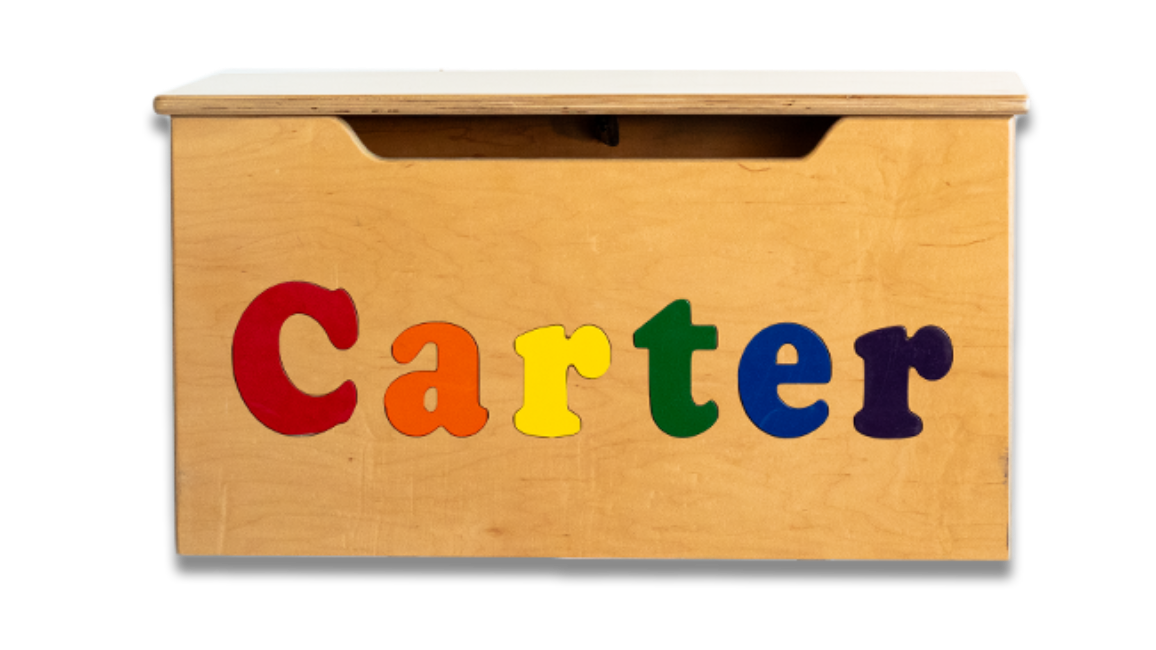
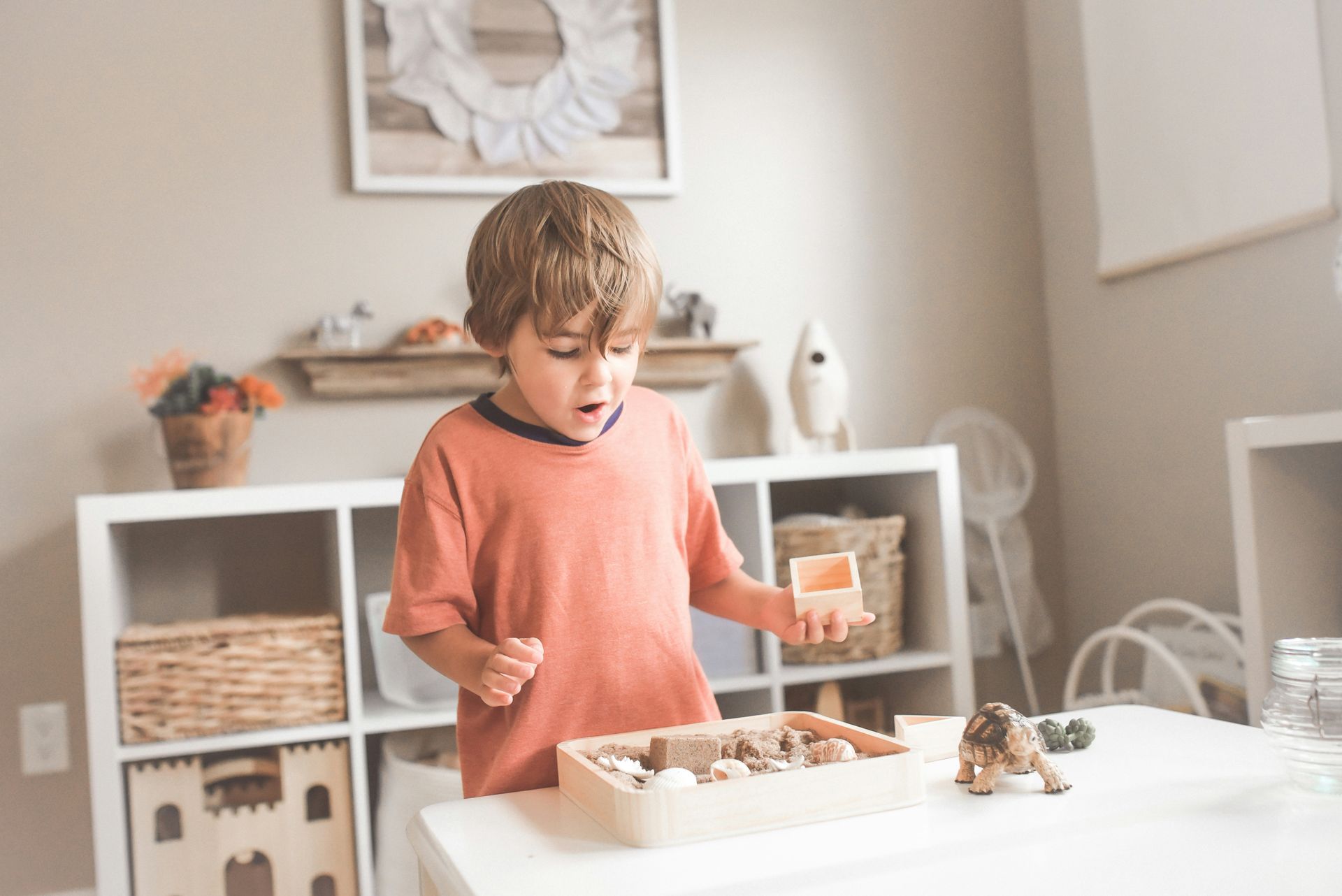
High‑quality, open‑ended toys are designed to grow with a child. Wooden puzzles, stools, blocks, and imaginative play pieces do not dictate how they must be used. Instead, they invite creativity.
One simple toy can become many things depending on the child's age, mood, and imagination.
This flexibility encourages deeper engagement because the toy adapts to the child, rather than the other way around.
Quality Over Supports Calm Play
A cluttered space can feel busy and overwhelming. A calmer environment helps children feel more relaxed and focused during playtime.
Choosing fewer, well‑made toys creates a sense of order and intention. When toys are easy to access, easy to put away, and visually calming, children are more likely to return to them again and again.
In this scenario, play becomes less about stimulation and more about connection and creativity.
Thoughtful Play Builds Lasting Habits
When children grow up with fewer, more meaningful toys, they often develop stronger independent play skills. They learn to entertain themselves, solve problems, and create their own stories without relying on constant novelty.
These habits extend beyond childhood; the ability to focus, imagine, and engage deeply with simple materials supports learning, emotional development, and confidence as children grow.
Choosing Toys With Purpose
Creating a play space with less does not mean sacrificing fun. It means choosing toys with intention.
Durable, open‑ended wooden toys offer opportunities for imagination, learning, and connection without overwhelming the child or the space.
By focusing on quality over quantity, families can create environments that support better play, calmer routines, and lasting memories.
Connect With Hollow Woodworks
Thoughtfully chosen toys can shape how children play, learn, and grow.
At Hollow Woodworks, we believe that fewer, well‑made wooden pieces encourage deeper engagement and meaningful play experiences.
Explore our handcrafted products today, and discover our toys designed to support creativity, imagination, and unplugged play at every stage.
Recent Posts