When Does a Child Recognize Their Name?
One of the first words most children learn to understand is their own name. Long before they can say it clearly, children begin recognizing that a specific sound refers to them. This milestone plays an important role in early communication, social development, and, eventually, in learning to identify the letters that make up their name.
If you've ever wondered when your child starts recognizing their name and how you can encourage that development, understanding the process can help you create meaningful learning opportunities during everyday activities.
Most Babies Begin Recognizing Their Name Around 6 to 9 Months
Research and observation show that many babies begin responding to their name between six and nine months of age. During this stage, they may look toward the person speaking, pause what they are doing, or smile when they hear their name called.
This recognition does not mean they understand spelling or written words. Instead, they learn that a certain sound consistently refers to them. Repeated interactions with parents, grandparents, siblings, and caregivers help strengthen this connection over time.
Every child develops at their own pace, but recognizing their name is often one of the earliest signs that they are making connections between language and meaning.
Name Recognition Develops Through Repetition
Children hear their name many times throughout the day. Parents use it during playtime, meals, bedtime routines, and conversations. These repeated experiences help children become familiar with the sound and begin understanding that it has a specific meaning.
The more positive interactions associated with a child's name, the stronger that connection can become. Hearing their name during encouragement, affection, and daily routines helps build both language skills and social awareness.
Simple activities such as reading books together, singing songs, and engaging in conversation all contribute to this ongoing learning process.
Visual Recognition Comes Later
Recognizing a name when it is spoken is very different from recognizing it in print.
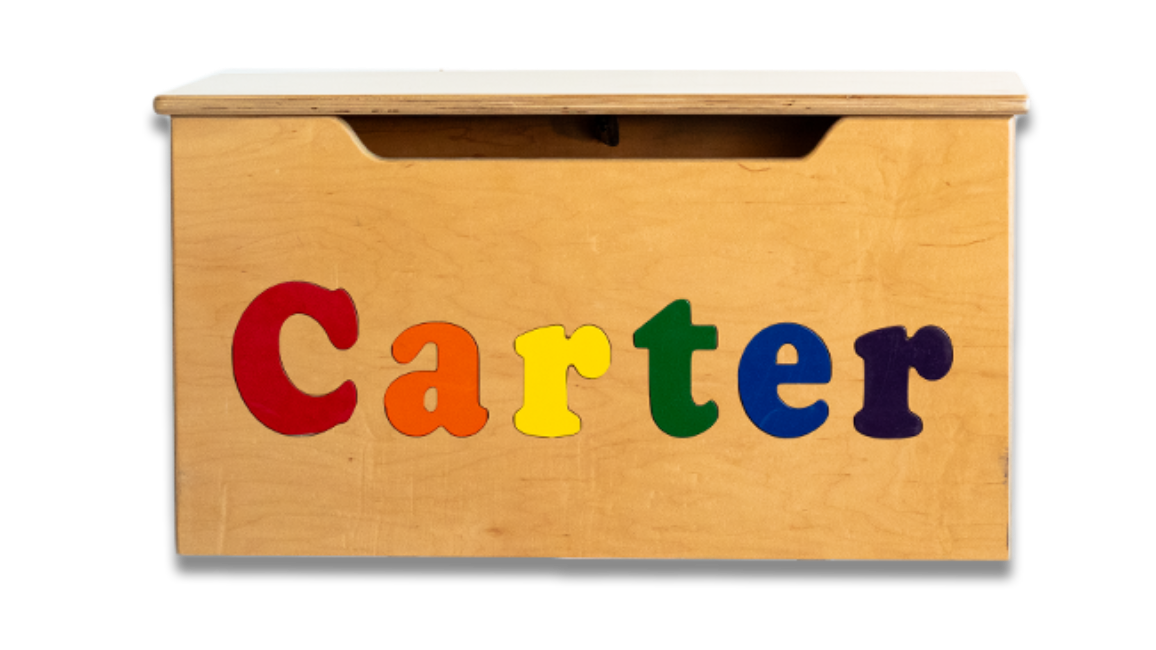
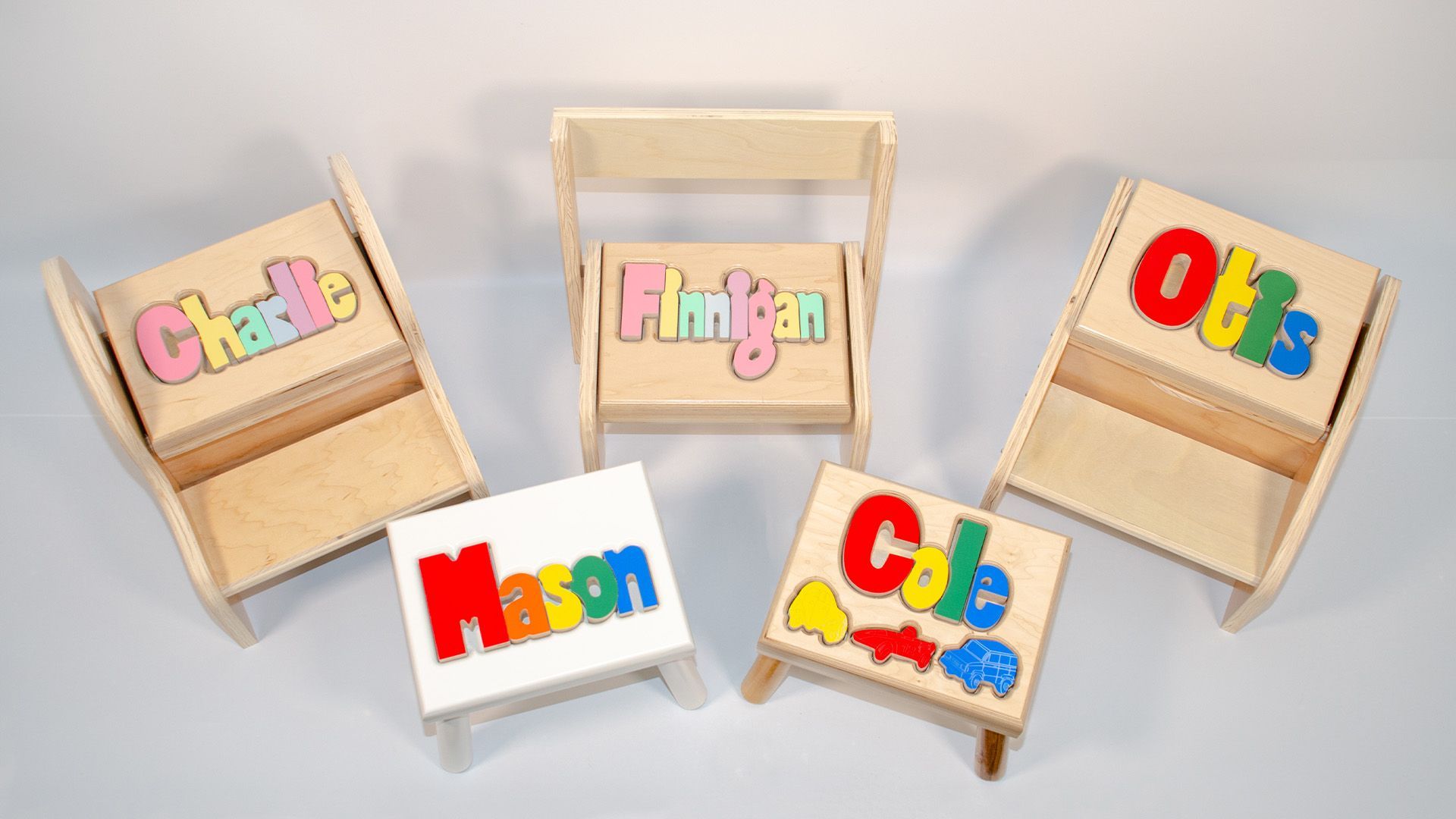
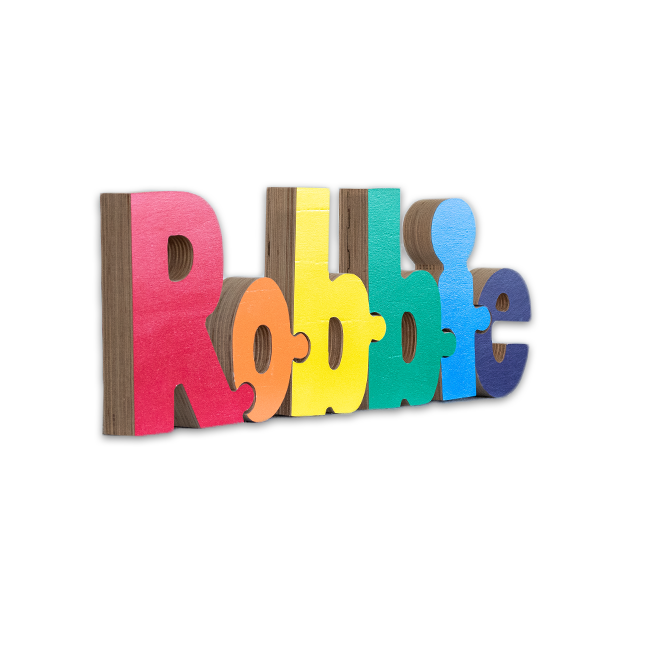
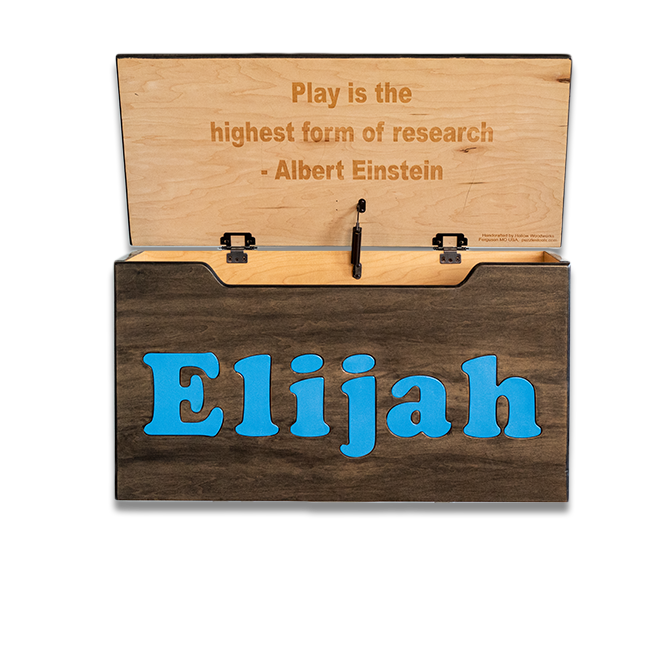
As children move into their toddler and preschool years, they often become interested in seeing their name displayed on belongings, artwork, bedroom décor, and learning materials. Over time, they begin connecting the spoken word with the letters they see.
This visual recognition is an important early literacy skill. Many children learn to identify their written name before they can read other words because they encounter it so frequently in meaningful contexts.
Personalized Learning Makes Names More Meaningful
Children are naturally drawn to things that belong specifically to them. Personalized items often capture attention because they create a stronger emotional connection.
When children see their name incorporated into everyday objects, they have additional opportunities to recognize letters, practice identification skills, and develop familiarity with spelling patterns. A personalized item can turn ordinary moments into opportunities for learning and engagement.
Because children already have a personal connection to their name, these experiences often feel more like play than formal education.
Name Puzzles Encourage Hands-On Learning
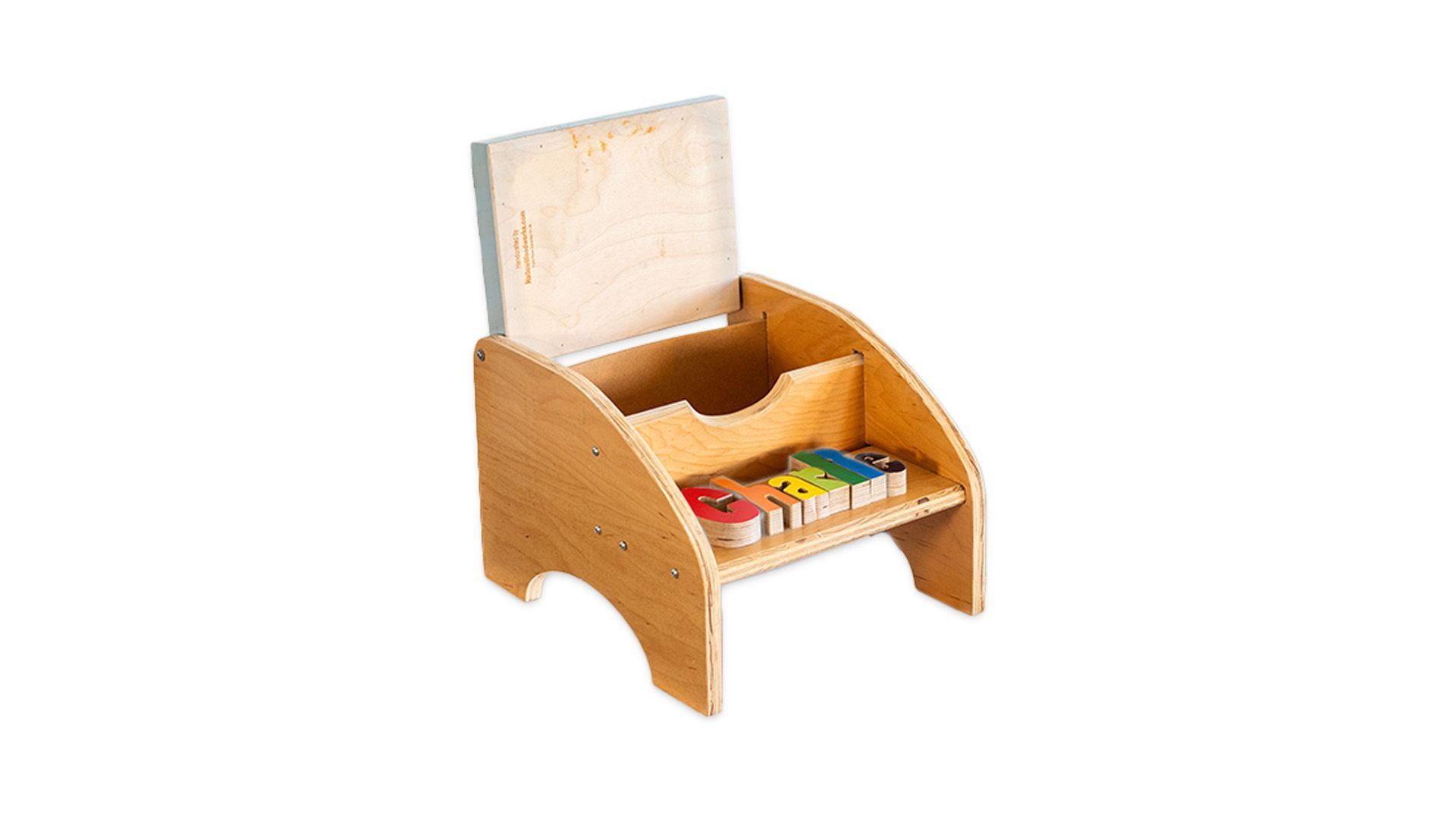
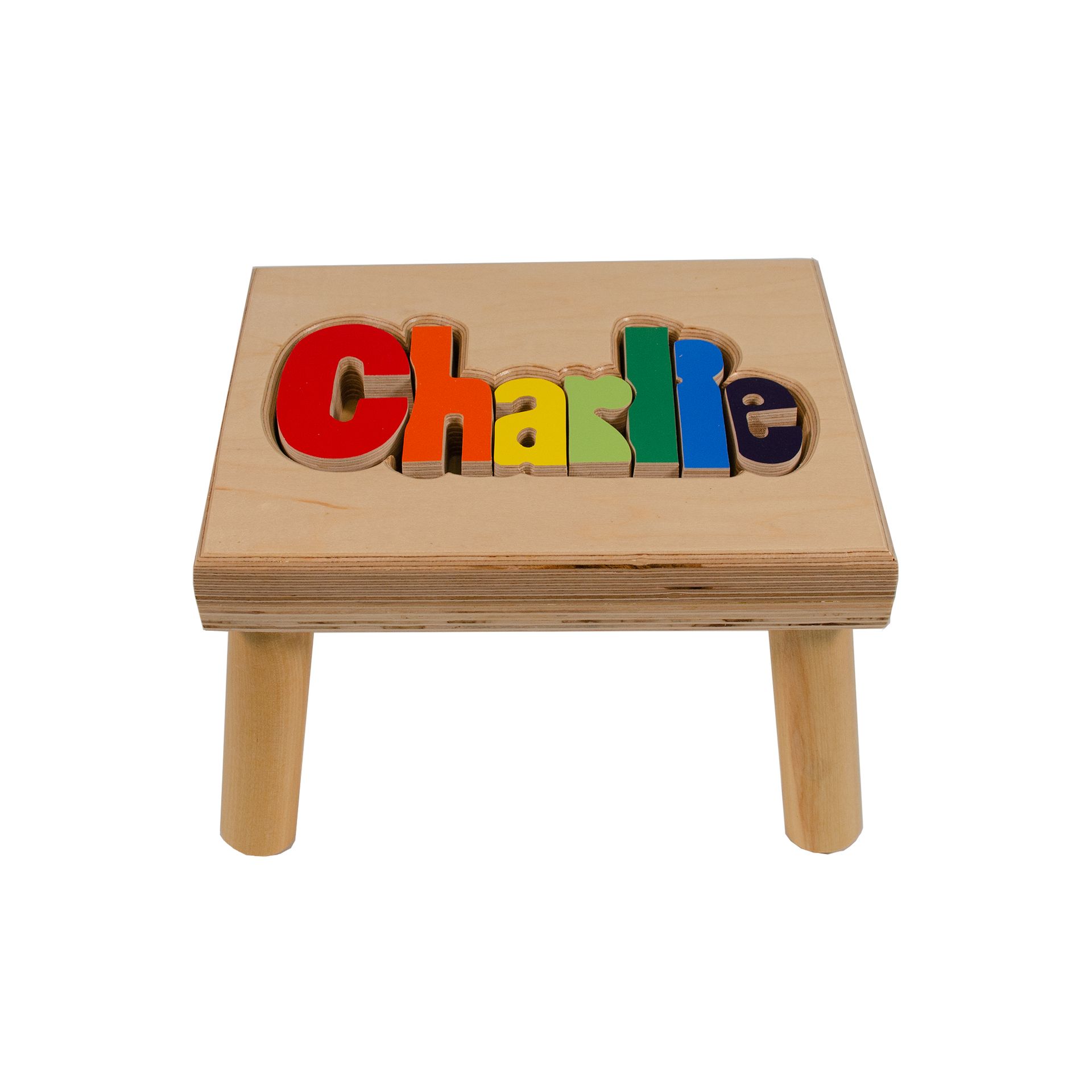
Hands-on activities can help reinforce name recognition while developing other important skills. Name puzzles, for example, encourage children to identify individual letters, practice matching, and improve fine motor coordination.
As children place letters into their correct positions, they begin noticing the sequence that forms their name. Over time, repeated interaction with those letters helps strengthen familiarity and confidence.
This type of play combines visual learning, tactile engagement, and problem-solving into a single activity, making it both enjoyable and educational.
Learning Their Name Builds Confidence
A child's name is closely connected to their identity. Recognizing, saying, and eventually spelling their name can create a sense of accomplishment and independence.
Small achievements, such as identifying the first letter of their name or successfully completing a name puzzle, provide opportunities for positive reinforcement. These moments help children build confidence while developing foundational skills that will support future learning.
What may seem like a simple milestone often contributes to a child's growing sense of self and belonging.
Supporting Name Recognition at Home
Parents do not need complicated lessons to encourage name recognition. Many opportunities occur naturally during everyday routines.
You can point out your child's name on personalized items, label artwork, read books together, sing songs that include their name, and engage in play activities that feature letters and matching games.
The goal is simply to make names visible, meaningful, and fun. Consistent exposure over time helps children develop familiarity naturally.
Shop With Hollow Woodworks
Learning to recognize a name is one of the first steps in a child's early learning journey. Personalized gifts can help reinforce that development while becoming cherished keepsakes that families enjoy for years.
At Hollow Woodworks, our handcrafted products are designed to be both meaningful and functional. Whether it's a personalized puzzle-name stool that encourages letter recognition, a custom growth chart that celebrates milestones, or a personalized coat rack that supports independence, each piece becomes part of everyday family life and creates lasting memories.
Explore our collection and find a personalized keepsake your family will treasure for years. Shop today!
Recent Posts